In today’s digital-first world, losing critical data can mean losing everything. A solid system backup isn’t just smart—it’s essential. Discover the ultimate strategies to protect your data like a pro.



What Is a System Backup and Why It Matters

A system backup refers to the process of copying and archiving computer data in a way that it can be recovered in the event of data loss. This loss could stem from hardware failure, software corruption, cyberattacks, or even human error. Whether you’re an individual user or managing enterprise-level infrastructure, having a reliable system backup strategy is non-negotiable.
Defining System Backup
At its core, a system backup involves creating a duplicate of your operating system, applications, settings, and personal files. Unlike file-level backups that only save specific documents, a full system backup captures the entire state of your machine. This means if disaster strikes, you can restore not just your files, but your entire working environment—exactly as it was.
- Includes OS, installed programs, configurations, and user data
- Enables complete system restoration after hardware failure
- Can be performed locally, in the cloud, or via hybrid models
Common Causes of Data Loss
Data doesn’t vanish without reason. Understanding the root causes helps emphasize why a robust system backup is vital. According to a Veritas report, 58% of organizations experienced data loss in the past year, with the top causes being:
Hardware failure: Hard drives fail.SSDs degrade.It’s not a matter of if, but when.Malware and ransomware: Cybercriminals encrypt your data and demand payment for its return.Human error: Accidental deletion, formatting, or misconfiguration is surprisingly common..
Natural disasters: Fires, floods, and power surges can destroy physical infrastructure.Software bugs: Updates gone wrong or corrupted installations can render systems unusable.”Data is the new oil, but unlike oil, it’s infinitely more valuable when protected.” — TechCrunch, 2023
The 7 Core Types of System Backup Explained
Not all system backup methods are created equal.Choosing the right type depends on your recovery needs, storage capacity, and time constraints.Let’s break down the seven primary types of system backup and how they serve different purposes..
1. Full System Backup
A full system backup copies every single file, folder, application, and system setting on your device. It’s the most comprehensive method and serves as the foundation for other backup types.
- Pros: Complete recovery in one go; ideal for initial backups
- Cons: Time-consuming and storage-heavy
- Best for: Monthly or quarterly baseline backups
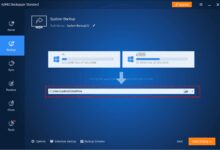
For example, Windows users can use System Image Backup to create a full system backup on an external drive or network location.
2. Incremental Backup
After a full backup, incremental backups only save the data that has changed since the last backup—whether full or incremental.
- Pros: Fast, efficient, and uses minimal storage
- Cons: Recovery requires the full backup plus every incremental file in sequence
- Best for: Daily backups with limited bandwidth or storage
This method is widely used in enterprise environments where data changes are frequent but volume must be controlled.
3. Differential Backup
Differential backups capture all changes made since the last full backup. Unlike incremental, they don’t reset the archive bit, so each differential grows over time.
- Pros: Faster recovery than incremental (only two sets needed: full + latest differential)
- Cons: Larger storage footprint over time
- Best for: Weekly backups with moderate data change rates
For instance, if you perform a full backup on Sunday, Monday’s differential includes changes from Sunday to Monday, Tuesday’s from Sunday to Tuesday, and so on.
4. Mirror Backup
A mirror backup is an exact replica of your source data. It doesn’t archive versions—just overwrites the previous copy.
- Pros: Extremely fast recovery; simple to manage
- Cons: No version history; vulnerable to corruption propagation
- Best for: Real-time replication of critical systems
Because it lacks versioning, a mirror backup should never be your only strategy. Pair it with versioned backups for safety.
5. Synthetic Full Backup
This advanced method combines a full backup with subsequent incrementals or differentials on the backup server to create a new full backup—without touching the original system.
- Pros: Reduces network load and backup window
- Cons: Requires sophisticated backup software
- Best for: Large enterprises with complex data environments
Solutions like Veeam and Commvault support synthetic full backups, making them ideal for 24/7 operations.
6. Reverse Incremental Backup
In this method, the latest backup is always a full system image. Older backups are stored as reverse deltas—showing what changed to go backward in time.
- Pros: Fastest restore time; always have a current full image
- Cons: Complex to manage; requires more processing power
- Best for: Environments requiring rapid recovery
It’s less common but highly effective for mission-critical systems where downtime is unacceptable.
7. Continuous Data Protection (CDP)
CDP captures every change to data in real-time, allowing recovery to any point in time. It’s the gold standard for zero data loss.
- Pros: Near-zero recovery point objective (RPO); granular recovery
- Cons: Expensive; high storage and bandwidth demands
- Best for: Financial institutions, healthcare, and high-availability systems
Tools like Microsoft Azure Site Recovery and Zerto offer CDP capabilities for enterprise workloads.
Best Practices for an Effective System Backup Strategy
Having a backup is one thing; having an effective one is another. Many organizations think they’re protected until they try to restore—only to find missing files or corrupted archives. Follow these best practices to ensure your system backup actually works when you need it.
Follow the 3-2-1 Backup Rule
The 3-2-1 rule is a gold standard in data protection:
- 3 copies of your data: the original and two backups
- 2 different media: e.g., external drive and cloud storage
- 1 offsite copy: protects against local disasters
This strategy minimizes single points of failure. For example, keep one backup on an external SSD at home, another on a NAS (Network Attached Storage), and a third in the cloud via services like Backblaze or AWS Backup.
Automate Your Backups
Manual backups are unreliable. People forget. Systems change. Automation ensures consistency.
- Use built-in tools like Windows Backup and Restore or macOS Time Machine
- Leverage third-party software like Acronis True Image or Macrium Reflect
- Schedule backups during off-peak hours to minimize performance impact
Automation also allows for regular testing and monitoring, which are critical for long-term reliability.
Encrypt Your Backup Data
Unencrypted backups are a security risk. If a backup drive is stolen or a cloud account is compromised, your data is exposed.
- Use AES-256 encryption for local and cloud backups
- Store encryption keys separately from backup media
- Enable two-factor authentication (2FA) for cloud backup accounts
For example, Cryptomator offers client-side encryption for cloud storage, ensuring your files stay private even if the provider is breached.
Top Tools and Software for System Backup
Choosing the right tool can make or break your system backup strategy. Here’s a breakdown of the most reliable and widely used software across different platforms and use cases.
Windows: Built-in and Third-Party Options
Windows offers several native tools, but third-party solutions often provide more flexibility and reliability.
- Windows Backup and Restore (Windows 7/10): Allows system image creation and file recovery.
- File History: Focuses on user files, not full system backup.
- Macrium Reflect Free: A powerful alternative that supports full disk imaging and scheduling.
- Acronis True Image: Offers disk cloning, cloud backup, and ransomware protection.
For businesses, Veeam Backup & Replication is a top choice for virtual and physical environments.
macOS: Time Machine and Beyond
Apple’s Time Machine is user-friendly and effective for most users.
- Automatically backs up to an external drive or AirPort Time Capsule
- Supports versioning and easy file restoration
- Limited in enterprise scalability
For advanced needs, consider SuperDuper! or Carbon Copy Cloner, which offer bootable clones and scripting capabilities.
Linux: Command-Line and GUI Tools
Linux users have powerful, flexible tools at their disposal.
- rsync: A versatile command-line tool for incremental backups.
- dd: Creates exact disk images, useful for cloning.
- Timeshift: A GUI tool for system restore points, similar to Windows System Restore.
- BorgBackup: Deduplicates and compresses data, ideal for remote backups.
For enterprise Linux environments, Bareos and Veeam Agent for Linux provide robust, scalable solutions.
Cloud-Based System Backup: Pros, Cons, and Top Providers
The cloud has revolutionized system backup, offering scalability, accessibility, and redundancy. But it’s not without trade-offs.
Advantages of Cloud Backup
- Accessibility: Restore data from anywhere with an internet connection.
- Scalability: Pay only for the storage you use.
- Automatic updates: No need to manage physical media.
- Disaster recovery: Offsite by default, protecting against local threats.
Cloud backups are especially valuable for remote teams and distributed organizations.
Challenges and Risks
- Bandwidth limitations: Large initial backups can take days or weeks.
- Ongoing costs: Subscription fees can add up over time.
- Security concerns: Data privacy depends on provider policies and encryption.
- Recovery speed: Downloading terabytes from the cloud can be slow.
To mitigate risks, use hybrid models—combine local backups with cloud sync for critical data.
Leading Cloud Backup Services
- Backblaze: Affordable, unlimited backup for individuals and small businesses.
- AWS Backup: Enterprise-grade, integrates with Amazon’s ecosystem.
- Google Workspace Backup: Protects G Suite data, including Gmail and Drive.
- Datto SaaS Protection: Focuses on business-critical SaaS applications.
- iDrive: Offers cross-platform support and real-time sync.
Each service varies in pricing, features, and compliance standards—choose based on your specific needs.
How to Test and Validate Your System Backup
A backup that hasn’t been tested is a backup that doesn’t exist. Too many organizations discover their backups are corrupt only during a crisis.
Perform Regular Recovery Drills
Just like fire drills, recovery drills prepare you for real incidents.
- Schedule quarterly or biannual restore tests
- Simulate different failure scenarios (e.g., hard drive crash, ransomware attack)
- Document the process and recovery time
This helps identify gaps in your strategy before they become emergencies.
Verify Backup Integrity
Use built-in tools to check for corruption or missing files.
- Windows: Use
chkdskandsystem backup verificationoptions - Mac: Disk Utility can verify backup integrity
- Third-party tools: Veeam, Acronis, and others offer backup validation features
Some tools even perform checksum validation to ensure data hasn’t been altered.
Monitor Backup Logs and Alerts
Most backup software generates logs. Review them regularly.
- Look for failed jobs, skipped files, or permission errors
- Set up email or SMS alerts for backup failures
- Use centralized monitoring in enterprise environments
Proactive monitoring can prevent small issues from becoming data loss events.
Disaster Recovery Planning: Beyond System Backup
System backup is just one piece of the puzzle. A complete disaster recovery (DR) plan ensures business continuity when systems go down.
Define Recovery Time and Point Objectives
Two key metrics guide your DR strategy:
- Recovery Time Objective (RTO): How fast must systems be restored?
- Recovery Point Objective (RPO): How much data loss is acceptable?
For example, a hospital might have an RTO of 1 hour and an RPO of 5 minutes, requiring near-continuous backup and rapid failover.
Create a Step-by-Step Recovery Plan
Document every action needed to restore operations.
- Who is responsible for initiating recovery?
- What systems are prioritized?
- What tools and credentials are needed?
- How will users be notified?
Store this plan in multiple secure locations, including offline.
Train Your Team
Even the best plan fails if no one knows how to execute it.
- Conduct regular training sessions
- Assign roles and responsibilities
- Update training materials with every system change
Human readiness is as important as technical readiness.
Future Trends in System Backup and Data Protection
The world of data backup is evolving rapidly. Emerging technologies are reshaping how we protect information.
AI-Powered Backup Solutions
Artificial intelligence is being used to predict failures, optimize backup schedules, and detect anomalies.
- AI can identify unusual access patterns that may indicate ransomware
- Machine learning improves deduplication and compression efficiency
- Predictive analytics can warn of impending hardware failure
Companies like Rubrik and Cohesity are integrating AI into their platforms for smarter data management.
Blockchain for Immutable Backups
Blockchain technology offers tamper-proof storage, ensuring backups can’t be altered or deleted.
- Immutable logs prevent ransomware from encrypting backups
- Distributed storage enhances resilience
- Still in early adoption but promising for high-security environments
While not mainstream yet, blockchain-based backup could become critical for financial and government sectors.
Edge Computing and Decentralized Backup
As more data is generated at the edge (IoT devices, remote offices), decentralized backup models are gaining traction.
- Local processing with cloud sync reduces latency
- Federated backup systems allow autonomy with central oversight
- 5G networks enable faster real-time backups from remote locations
This shift requires new architectures but offers greater flexibility and resilience.
What is the best system backup method for home users?
For most home users, a combination of Time Machine (Mac) or Macrium Reflect (Windows) with an external drive, plus a cloud service like Backblaze, offers excellent protection. Follow the 3-2-1 rule and automate the process.
How often should I perform a system backup?
It depends on how frequently your data changes. For critical systems, daily incremental backups with a weekly full backup are recommended. Home users can get by with weekly full backups if data changes are minimal.
Can I restore a system backup to a different computer?
Yes, but with caveats. Restoring to dissimilar hardware may cause driver conflicts or boot issues. Use tools like Acronis Universal Restore or Macrium Reflect’s re-deployment feature to handle hardware differences.
What’s the difference between system backup and file backup?
A system backup includes the operating system, applications, settings, and files—everything needed to restore a full working environment. A file backup only saves specific documents and folders, not the system itself.
Are cloud backups safe from ransomware?
Not always. If your cloud backup is constantly synced and accessible, ransomware can encrypt it too. Use versioning, immutable storage, or air-gapped backups to protect against this threat.
System backup is not a luxury—it’s a necessity in our data-driven world. From understanding the different types of backups to implementing the 3-2-1 rule and testing your recovery process, every step matters. Whether you’re an individual or part of a large organization, a well-planned system backup strategy ensures that when disaster strikes, you’re not starting from scratch. Embrace automation, leverage cloud solutions wisely, and stay ahead of emerging threats with AI and blockchain innovations. Your data is your legacy—protect it with everything you’ve got.
Further Reading: