Ever felt your computer slowing down or your phone acting up? A simple system check could be the game-changer you didn’t know you needed. Think of it as a health scan for your tech—quick, preventive, and powerful.



What Is a System Check and Why It Matters

A system check is a comprehensive evaluation of a device’s hardware, software, and overall performance to ensure everything runs smoothly. Whether it’s your laptop, smartphone, or server, regular system checks prevent crashes, boost speed, and extend device lifespan. In today’s digital-first world, skipping this step is like driving a car without ever checking the oil.
Defining System Check in Modern Tech
The term system check originally came from aerospace and engineering, where technicians would verify all components before launch. Today, it’s evolved into a routine diagnostic process across personal computing, enterprise IT, and even IoT devices. A system check evaluates everything from CPU usage to battery health, ensuring optimal functionality.
- It identifies potential hardware failures before they happen.
- It detects software conflicts or outdated drivers.
- It helps maintain security by spotting vulnerabilities.
“A system check isn’t just maintenance—it’s peace of mind in a chaotic digital world.” — TechRadar Insights, 2023
Common Misconceptions About System Checks
Many people assume a system check is only for IT professionals or when something goes wrong. This couldn’t be further from the truth. Regular users benefit immensely from routine checks, which can prevent data loss, improve efficiency, and avoid costly repairs. Another myth is that system checks are time-consuming. In reality, most automated tools complete a full scan in under 10 minutes.
- Myth: Only needed after a crash.
- Reality: Best used preventively, like a digital tune-up.
- Myth: Requires technical expertise.
- Reality: User-friendly tools make it accessible to everyone.
7 Essential Components of a Full System Check
A thorough system check isn’t just about running one tool—it’s a multi-layered process. Below are the seven core components that make up a complete diagnostic scan. Ignoring any of these can leave your device vulnerable to performance issues or security threats.
1. Hardware Diagnostics
This involves testing physical components like the hard drive, RAM, GPU, and cooling systems. Tools like MemTest86 for RAM or CrystalDiskInfo for SSD health are essential. These tools detect early signs of failure, such as bad sectors or overheating.
- Hard drive health (S.M.A.R.T. status)
- Memory (RAM) integrity
- CPU and GPU temperature monitoring
For example, if your laptop fan is constantly running at high speed, a hardware diagnostic might reveal that your CPU is overheating due to dust buildup or thermal paste degradation.
2. Software and Operating System Integrity
This checks for corrupted system files, missing updates, and registry errors. On Windows, the built-in sfc /scannow command scans and repairs system files. macOS users can use Disk Utility, while Linux systems often rely on fsck for file system checks.
- Verifying OS file integrity
- Checking for pending updates
- Scanning for registry or configuration errors
Running a system check on software integrity can resolve mysterious crashes or boot failures. It’s like giving your OS a digital detox.
3. Network and Connectivity Assessment
A system check isn’t complete without evaluating network performance. This includes checking Wi-Fi signal strength, DNS resolution, IP conflicts, and firewall settings. Tools like Speedtest by Ookla or ping and tracert commands help diagnose connectivity issues.
- Internet speed and latency
- Router and modem health
- Local network device conflicts
Slow downloads or dropped Zoom calls? A network-focused system check can pinpoint whether the issue is with your ISP, router, or device settings.
How to Perform a System Check on Different Devices
Not all devices are the same, and neither are their system check procedures. What works for a Windows PC might not apply to an iPhone or a smart TV. Let’s break it down by platform.
Windows PCs: Built-in Tools and Third-Party Apps
Windows offers several native tools for a system check. The most powerful include:
- Windows Defender: For malware and virus scans.
- Event Viewer: To review system logs for errors.
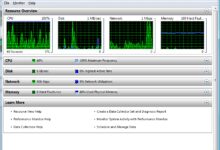
- Performance Monitor: For real-time resource tracking.
For a deeper system check, third-party tools like Malwarebytes or CCleaner can clean junk files and optimize performance. Always download these from official sites to avoid fake versions.
macOS: Apple’s Diagnostics and Activity Monitor
Apple devices come with robust built-in diagnostics. To run a system check on a Mac:
- Restart and hold
Dto enter Apple Diagnostics. - Use Activity Monitor to check CPU, memory, and energy usage.
- Run Disk Utility to verify and repair disk permissions.
Unlike Windows, macOS is less prone to registry issues, but storage optimization and app management are crucial. A system check here often focuses on freeing up space and closing resource-heavy background apps.
Smartphones: Android and iOS System Checks
Mobile devices need system checks too. On Android, go to Settings > Battery > Device Care (Samsung) or use apps like Power Cleaner. These tools clear cache, manage storage, and optimize battery.
iOS users can perform a system check by:
- Checking storage in Settings > General > iPhone Storage.
- Updating apps and iOS version.
- Restarting the device to clear RAM.
While iOS doesn’t allow deep system scans like Android, regular restarts and updates serve as effective mini system checks.
Automated vs. Manual System Check: Which Is Better?
This is a common debate in the tech community. Should you rely on automated tools, or is a manual system check more thorough? The truth is, both have their place.
Advantages of Automated System Checks
Automated tools save time and reduce human error. They can run in the background, alerting you to issues before they become critical. Examples include:
- Antivirus software with real-time scanning.
- Cloud-based monitoring tools like Nagios for servers.
- Task Scheduler scripts that run weekly diagnostics.
These tools are ideal for non-technical users who want peace of mind without diving into command lines.
When Manual System Checks Are Necessary
Manual checks are essential when dealing with complex issues or custom configurations. For example, if a server is experiencing intermittent downtime, an automated tool might miss subtle patterns in log files. A skilled admin can manually inspect logs, run stress tests, and correlate events across systems.
- Reviewing system logs line by line.
- Running custom scripts for specific diagnostics.
- Physically inspecting hardware connections.
“Automation handles 80% of issues; the remaining 20% require human intuition.” — IEEE Computer Society, 2022
For most users, a hybrid approach works best: use automation for routine checks, but know how to go manual when things go sideways.
System Check for Businesses: Scaling Up Security and Performance
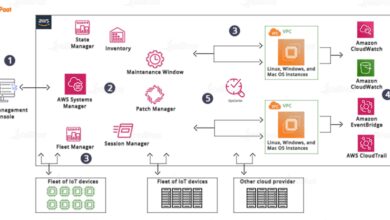
For organizations, a system check isn’t just about one device—it’s about an entire network. Enterprise-level system checks ensure data integrity, compliance, and operational continuity.
Network-Wide System Checks
IT departments use tools like PRTG Network Monitor or SolarWinds to perform system checks across hundreds of devices. These tools monitor:
- Server uptime and response times.
- Bandwidth usage and traffic patterns.
- Security vulnerabilities and patch levels.
A network-wide system check can prevent downtime during peak business hours and ensure compliance with regulations like GDPR or HIPAA.
Preventive Maintenance Schedules
Smart businesses don’t wait for failures—they schedule regular system checks. A typical IT maintenance calendar includes:
- Weekly: Virus scans and backup verification.
- Monthly: Software updates and patch management.
- Quarterly: Full hardware diagnostics and security audits.
This proactive approach reduces emergency repairs by up to 60%, according to a 2023 Gartner report.
Common Errors Found During a System Check
Even the most well-maintained systems can develop issues. A system check often uncovers problems that users never notice—until it’s too late.
Corrupted Files and Registry Issues
Over time, software installations and uninstalls can leave behind broken registry entries or corrupted files. These can cause slow boot times, app crashes, or even prevent Windows from starting.
- Symptoms: Blue Screen of Death (BSOD), slow performance.
- Solution: Run
sfc /scannowor use registry cleaners cautiously.
Warning: Never use registry cleaners on critical systems without a backup. Some can do more harm than good.
Overheating and Hardware Degradation
One of the most common hardware issues found during a system check is overheating. Dust buildup, failing fans, or dried thermal paste can cause CPUs and GPUs to overheat, leading to throttling or permanent damage.
- Symptoms: Sudden shutdowns, loud fan noise.
- Solution: Clean vents, reapply thermal paste, monitor temps with tools like HWMonitor.
Regular hardware system checks can extend a laptop’s life by 2–3 years.
Best Tools for a Complete System Check
Choosing the right tools is crucial for an effective system check. Here’s a curated list of the best options across platforms.
Free and Open-Source Tools
For budget-conscious users, free tools offer powerful diagnostics without cost.
- MemTest86: Tests RAM for errors.
- CrystalDiskMark: Benchmarks SSD/HDD speed.
- AIDA64 (Trial): Comprehensive system diagnostics.
These tools are trusted by professionals and hobbyists alike.
Paid Tools with Advanced Features
For deeper analysis and enterprise use, paid tools offer enhanced reporting, automation, and support.
- MiniTool Partition Wizard: Advanced disk management.
- NirSoft Utilities: Niche tools for specific diagnostics.
- Spiceworks Inventory: Network-wide system checks for IT teams.
Investing in these tools pays off in reduced downtime and better security.
How Often Should You Run a System Check?
Frequency depends on usage, device type, and environment. A general rule:
- Personal devices: Every 1–3 months.
- Business systems: Weekly automated scans, monthly deep checks.
- Servers: Real-time monitoring with daily reports.
High-performance machines (gaming PCs, workstations) benefit from bi-weekly checks, especially after major software updates.
Seasonal changes also matter—dust accumulation increases in summer, so a spring and fall system check is wise.
What is a system check?
A system check is a diagnostic process that evaluates the health and performance of a device’s hardware, software, and network components to ensure optimal operation and prevent failures.
How do I run a system check on my PC?
On Windows, use built-in tools like Windows Defender, Disk Cleanup, and Command Prompt with sfc /scannow. You can also use third-party tools like CCleaner or Malwarebytes for deeper scans.
Can a system check fix a slow computer?
Yes. A system check can identify and resolve issues like disk fragmentation, malware, or background apps consuming resources, significantly improving speed and responsiveness.
Is a system check the same as a virus scan?
No. A virus scan is part of a system check, but a full system check includes hardware diagnostics, software integrity, network health, and performance optimization.
Do Macs need system checks?
Absolutely. While macOS is stable, regular system checks help manage storage, update software, and monitor battery health, especially on older models.
Regular system checks are not just a technical chore—they’re a vital habit for anyone relying on technology. From spotting hardware wear to cleaning up digital clutter, a well-executed system check boosts performance, enhances security, and extends the life of your devices. Whether you’re a casual user or an IT pro, making system checks routine ensures your tech works for you, not against you.
Further Reading: