System maintenance isn’t just a technical chore—it’s the backbone of smooth, secure, and efficient operations. Whether you’re managing a single computer or an enterprise network, regular upkeep ensures longevity, reliability, and peak performance. Let’s dive into the essentials.



What Is System Maintenance and Why It Matters

System maintenance refers to the routine activities performed to keep computer systems, software, and networks running efficiently. It’s not just about fixing problems—it’s about preventing them before they occur. In today’s digital-first world, where downtime can cost thousands per minute, proactive system maintenance is non-negotiable.
Defining System Maintenance
At its core, system maintenance involves monitoring, updating, optimizing, and securing hardware and software components. This includes everything from patching operating systems to cleaning dust from server racks. The goal is to maintain optimal performance, reduce failures, and extend the lifespan of IT assets.
- Includes both preventive and corrective actions
- Applies to individual devices and large-scale networks
- Encompasses hardware, software, and security protocols
Why System Maintenance Is Critical
Without regular system maintenance, even the most advanced technology can degrade rapidly. Slow performance, data loss, and security breaches are common consequences of neglect. According to a report by Gartner, unplanned downtime costs organizations an average of $5,600 per minute.
“Preventive maintenance reduces system failures by up to 70%.” — IT Infrastructure Library (ITIL)
The 7 Key Components of Effective System Maintenance
To achieve maximum reliability and efficiency, system maintenance should be structured around seven core components. Each plays a vital role in ensuring that your IT environment remains resilient and responsive.
1. Hardware Inspection and Cleaning
Physical components degrade over time due to heat, dust, and mechanical wear. Regular inspection helps identify failing parts before they cause system crashes.
- Check for overheating signs in CPUs and GPUs
- Clean internal components like fans and power supplies
- Inspect cables and connections for wear or damage
For servers, this is especially crucial. Data centers often follow strict schedules for hardware audits. The Uptime Institute recommends quarterly physical inspections for mission-critical systems.
2. Software Updates and Patch Management
Outdated software is one of the biggest security risks. Cybercriminals exploit known vulnerabilities in unpatched systems. Regular updates close these gaps.
- Apply OS updates (Windows, macOS, Linux) promptly
- Update third-party applications like browsers and office suites
- Use automated patch management tools (e.g., WSUS, SCCM)
Microsoft’s Windows Update History shows that over 80% of critical vulnerabilities are patched within the first 90 days of discovery—yet many organizations delay installation.
3. Data Backup and Recovery Testing
No system maintenance plan is complete without a robust backup strategy. Data loss can result from hardware failure, malware, or human error.
- Follow the 3-2-1 rule: 3 copies, 2 media types, 1 offsite
- Schedule automated backups daily or weekly
- Test recovery procedures regularly
“60% of small businesses go out of business within six months of a major data loss.” — National Cyber Security Alliance
4. Performance Monitoring and Optimization
Over time, systems accumulate junk files, fragmented disks, and background processes that slow performance. Monitoring tools help detect issues early.
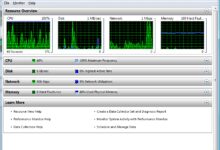
- Use tools like Task Manager, Resource Monitor, or Nagios
- Clear temporary files and cache regularly
- Defragment hard drives (HDDs); optimize SSDs differently
Tools like Zabbix and Datadog offer real-time insights into CPU, memory, and disk usage across networks.
5. Security Audits and Vulnerability Scanning
Security is a continuous process, not a one-time setup. Regular audits identify weak points in firewalls, access controls, and configurations.
- Run vulnerability scanners like Nessus or OpenVAS
- Review user permissions and remove inactive accounts
- Check for open ports and unnecessary services
The NIST National Vulnerability Database logs over 20,000 new vulnerabilities annually—proactive scanning is essential.
6. Network Maintenance and Configuration Checks
Networks are the arteries of modern IT. Poorly maintained routers, switches, or Wi-Fi access points can cripple productivity.
- Update firmware on networking devices
- Monitor bandwidth usage and detect bottlenecks
- Verify DNS, DHCP, and routing table integrity
For enterprise environments, tools like Cisco Prime help automate network health checks and configuration backups.
7. Documentation and Change Management
Every change made during system maintenance should be recorded. This ensures accountability and simplifies troubleshooting.
- Maintain a log of updates, repairs, and configuration changes
- Use ticketing systems like Jira or ServiceNow
- Follow ITIL change management best practices
According to Axelos, organizations using formal change management reduce incident rates by 40%.
Types of System Maintenance: Preventive, Corrective, and Predictive
Not all system maintenance is the same. Understanding the different types helps organizations allocate resources effectively and respond appropriately to various scenarios.
Preventive Maintenance
This is scheduled upkeep designed to prevent failures before they happen. It’s the most cost-effective form of system maintenance.
- Includes regular software updates and hardware cleaning
- Follows a fixed timetable (e.g., monthly, quarterly)
- Reduces emergency repairs and extends equipment life
For example, replacing a server’s cooling fan every 18 months—even if it still works—prevents overheating and potential downtime.
Corrective Maintenance
Also known as reactive maintenance, this occurs after a failure has been detected. While unavoidable at times, over-reliance on corrective actions increases risk.
- Fixes broken components or corrupted software
- Often more expensive due to urgency and downtime
- Should be minimized through better preventive strategies
A sudden hard drive crash requiring data recovery is a classic example of corrective system maintenance.
Predictive Maintenance
Leveraging AI and machine learning, predictive maintenance uses real-time data to forecast when a component is likely to fail.
- Monitors system metrics like temperature, latency, and error rates
- Uses algorithms to predict failure windows
- Common in industrial IoT and cloud infrastructure
Google’s data centers use predictive analytics to anticipate hardware failures up to 48 hours in advance, significantly reducing unplanned outages.
Best Practices for System Maintenance in 2024
As technology evolves, so do the best practices for system maintenance. Staying current ensures your organization remains secure, efficient, and compliant.
Automate Where Possible
Manual maintenance is time-consuming and error-prone. Automation tools streamline repetitive tasks like patching, backups, and monitoring.
- Use PowerShell scripts for Windows environments
- Implement Ansible or Puppet for configuration management
- Schedule automated health checks using cron jobs (Linux)
Automation not only saves time but also ensures consistency across systems.
Adopt a Zero Trust Security Model
In today’s threat landscape, assuming trust within the network is dangerous. Zero Trust requires continuous verification of users and devices.
- Enforce multi-factor authentication (MFA)
- Segment networks to limit lateral movement
- Monitor all access attempts in real time
The Cybersecurity & Infrastructure Security Agency (CISA) strongly recommends Zero Trust as a core principle for system maintenance and security.
Train Your Team Regularly
Even the best tools are ineffective without skilled personnel. Ongoing training ensures staff can handle emerging threats and technologies.
- Conduct quarterly cybersecurity drills
- Provide certifications like CompTIA A+ or CISSP
- Encourage knowledge sharing through internal workshops
Human error accounts for nearly 90% of security breaches—education is a powerful defense.
Common System Maintenance Mistakes to Avoid
Even experienced IT teams can fall into traps that undermine their maintenance efforts. Recognizing these pitfalls is the first step toward avoiding them.
Neglecting Backup Verification
Many organizations back up data but never test restoration. A backup is only as good as its ability to be restored.
- Regularly perform test restores in a sandbox environment
- Verify file integrity and completeness
- Document recovery time objectives (RTO) and recovery point objectives (RPO)
One company lost years of financial records because their backup tapes were corrupted—and they didn’t discover it until after a server failure.
Skipping Documentation
When changes aren’t documented, troubleshooting becomes guesswork. New team members may unknowingly undo critical configurations.
- Use centralized documentation platforms like Confluence
- Log every change, no matter how minor
- Include timestamps, reasons, and responsible personnel
Poor documentation was a contributing factor in the 2021 Fastly CDN outage, which disrupted major websites globally.
Overlooking Firmware Updates
While OS and software updates get attention, firmware updates for BIOS, routers, and storage controllers are often ignored—yet they’re critical for stability and security.
- Check manufacturer websites for firmware releases
- Test updates in non-production environments first
- Keep a rollback plan in case of incompatibility
A 2023 study by Bruce Schneier found that 60% of embedded devices in enterprise networks were running outdated firmware.
Tools and Software for Effective System Maintenance
The right tools make system maintenance more efficient, accurate, and scalable. From open-source utilities to enterprise platforms, there’s a solution for every need.
Monitoring Tools
Real-time monitoring allows IT teams to detect issues before users notice them.
- Zabbix: Open-source monitoring for networks and servers
- Nagios: Industry-standard tool for system alerts
- Datadog: Cloud-based observability platform
These tools provide dashboards, alerting, and historical data analysis to support proactive system maintenance.
Backup and Recovery Solutions
Reliable backup tools ensure data can be restored quickly after a disaster.
- Veeam: Popular for virtualized environments
- Acronis: Offers both local and cloud backup
- Datto: Favored by managed service providers (MSPs)
Look for features like incremental backups, encryption, and ransomware detection.
Security and Patch Management Tools
Keeping systems secure requires dedicated tools for vulnerability scanning and patch deployment.
- Microsoft SCCM (System Center Configuration Manager): Centralized patch management for Windows
- Tenable Nessus: Comprehensive vulnerability scanner
- Qualys: Cloud-based security and compliance platform
These tools integrate with existing IT infrastructure to automate critical system maintenance tasks.
System Maintenance for Different Environments
The approach to system maintenance varies depending on the environment—be it a personal computer, small business, or large enterprise.
Personal Computers
Individual users can perform basic system maintenance to keep their machines running smoothly.
- Run disk cleanup and defragmentation (for HDDs)
- Uninstall unused programs
- Enable automatic updates
Windows includes built-in tools like Disk Cleanup and Storage Sense to simplify this process.
Small and Medium Businesses (SMBs)
SMBs often lack dedicated IT staff, making efficient system maintenance crucial.
- Outsource to managed IT service providers
- Use cloud-based tools like Microsoft 365 for automatic updates
- Implement simple backup solutions like external drives or cloud storage
According to SMB Group, 60% of small businesses experience at least one IT outage per year—many preventable with proper maintenance.
Enterprise-Level Systems
Large organizations require structured, scalable maintenance strategies.
- Deploy IT service management (ITSM) platforms like ServiceNow
- Use configuration management databases (CMDB) to track assets
- Follow ITIL frameworks for standardized processes
Enterprises often have dedicated NOCs (Network Operations Centers) that monitor system health 24/7.
The Future of System Maintenance: AI and Automation
As artificial intelligence and machine learning advance, system maintenance is becoming smarter and more predictive.
AI-Powered Diagnostics
AI can analyze vast amounts of system data to detect anomalies and predict failures.
- IBM’s Watson AIOps identifies root causes of outages
- Google uses AI to optimize data center cooling and power usage
- Microsoft Azure Monitor uses machine learning for anomaly detection
These technologies reduce mean time to repair (MTTR) and improve system reliability.
Self-Healing Systems
The next frontier is systems that can automatically detect and fix issues without human intervention.
- Auto-remediation of failed services
- Dynamic resource allocation based on demand
- Automatic rollback of faulty updates
While still evolving, self-healing networks are already used in telecom and cloud environments.
Integration with DevOps and CI/CD
In software development, system maintenance is merging with DevOps practices.
- Infrastructure as Code (IaC) ensures consistent configurations
- Continuous integration/continuous deployment (CI/CD) pipelines include automated testing and patching
- Monitoring is embedded throughout the development lifecycle
This shift enables faster, safer, and more reliable system maintenance in agile environments.
What is the most important aspect of system maintenance?
The most important aspect is consistency. Regular, scheduled maintenance prevents most major issues. A combination of preventive actions, automated tools, and thorough documentation ensures long-term system health.
How often should system maintenance be performed?
Frequency depends on the environment. Personal computers should be maintained monthly. SMBs benefit from quarterly reviews. Enterprise systems often require daily monitoring with weekly or monthly deep maintenance tasks.
Can system maintenance prevent cyberattacks?
Yes. Many cyberattacks exploit unpatched software or misconfigured systems. Regular updates, vulnerability scanning, and security audits are critical components of system maintenance that directly reduce attack surfaces.
Is system maintenance necessary for cloud-based systems?
Absolutely. While cloud providers handle hardware maintenance, customers are responsible for securing their data, managing access, updating software, and monitoring performance. The shared responsibility model means system maintenance is still essential.
What happens if system maintenance is neglected?
Neglect leads to slow performance, data loss, security breaches, and unplanned downtime. Over time, hardware may fail prematurely, and software incompatibilities can arise, increasing costs and operational risks.
System maintenance is not a one-time task but an ongoing commitment to reliability, security, and efficiency. From hardware checks to AI-driven automation, the strategies outlined here form a comprehensive approach to keeping systems in peak condition. By embracing preventive practices, leveraging modern tools, and staying ahead of emerging threats, organizations can ensure their IT infrastructure remains resilient in an ever-changing digital landscape.
Further Reading: