Ever felt your computer slowing down like it’s running through mud? You’re not alone. A smart system mechanic strategy can breathe new life into your sluggish machine—fast, effective, and without the jargon.


What Is a System Mechanic and Why It Matters

The term system mechanic might sound like tech jargon, but it’s actually a powerful concept that applies to both hardware and software maintenance. At its core, a system mechanic is anyone—or any tool—that keeps your computer running smoothly by diagnosing, repairing, and optimizing its components. Think of it as a digital mechanic for your PC, ensuring every part works in harmony.
The Role of a System Mechanic in Modern Computing
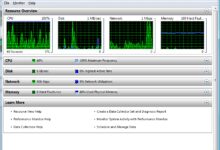
In today’s fast-paced digital world, computers are more than just tools—they’re essential for work, creativity, and communication. When performance lags, productivity plummets. A system mechanic steps in to prevent that decline by proactively managing system health. This includes cleaning up junk files, defragmenting drives, managing startup programs, and ensuring security protocols are up to date.
- Monitors system performance in real time
- Identifies and removes malware or bloatware
- Optimizes memory and CPU usage
According to a report by Microsoft, regular system maintenance can improve PC responsiveness by up to 40%. That’s the kind of boost a skilled system mechanic can deliver.
Human vs. Automated System Mechanics
While some users prefer hands-on control, manually managing every aspect of system performance isn’t practical for most. This is where automated system mechanic software comes in. Tools like iolo System Mechanic offer real-time optimization, deep cleaning, and performance tuning with minimal user input.
However, human system mechanics—IT professionals or tech-savvy users—still play a crucial role in diagnosing complex issues, interpreting logs, and making strategic decisions about hardware upgrades or security policies.
“A good system mechanic doesn’t just fix problems—it prevents them before they happen.” — TechOps Journal, 2023
Core Functions of a System Mechanic Tool
Modern system mechanic software does far more than just delete temporary files. These tools are engineered to handle a wide array of system-level tasks that keep your PC running at peak efficiency. Understanding these functions helps you choose the right tool—and use it effectively.
Real-Time Performance Optimization
One of the standout features of advanced system mechanic tools is real-time optimization. Instead of waiting for your PC to slow down, these tools continuously monitor resource usage and adjust settings on the fly.
- Automatically frees up RAM when applications consume too much
- Adjusts CPU priority for active applications
- Manages background processes to reduce lag
For example, if you’re editing a video and your browser starts hogging memory, a system mechanic can deprioritize the browser, ensuring your creative software runs smoothly.
Disk Cleanup and Registry Repair
Over time, your hard drive accumulates temporary files, cache data, and broken shortcuts. The Windows registry—a critical database of system settings—can become cluttered with obsolete entries. A robust system mechanic scans and cleans these areas safely.
Key actions include:
- Removing temporary internet files and app caches
- Clearing old Windows update leftovers
- Fixing invalid registry keys without breaking the system
According to PCMag, registry errors can cause up to 30% of system crashes in older Windows installations. A reliable system mechanic mitigates this risk.
How System Mechanic Improves Speed and Responsiveness
Speed is often the first thing users notice when their PC starts to degrade. A system mechanic tackles this head-on by addressing the root causes of slowdowns, not just the symptoms.
Startup Optimization
One of the biggest culprits behind slow boot times is an overloaded startup sequence. Every program set to launch at startup consumes precious resources. A system mechanic analyzes which apps are essential and which can be delayed or disabled.
- Identifies unnecessary startup entries (e.g., updaters, chat apps)
- Allows selective enabling/disabling with one click
- Provides performance impact ratings for each startup item
Users report boot time reductions of 50% or more after using system mechanic tools to streamline startup processes.
Memory and Cache Management
RAM is a finite resource. When it’s overused, your system starts using the hard drive as virtual memory—a much slower alternative. A system mechanic actively manages memory by:
- Clearing inactive memory blocks
- Preventing memory leaks in poorly coded applications
- Boosting available RAM for active tasks
This is especially valuable for users running multiple applications simultaneously, such as designers, developers, or gamers.
Security Enhancements Through System Mechanic Tools
Performance isn’t the only benefit. A comprehensive system mechanic also strengthens your PC’s security posture by eliminating vulnerabilities hidden in system clutter.
Removing Bloatware and Potentially Unwanted Programs (PUPs)
Many PCs come preloaded with bloatware—software you didn’t ask for and may never use. Some of these programs run in the background, consuming resources and potentially exposing your system to security risks.
A system mechanic identifies and removes these programs safely. It also scans for PUPs—applications that may not be outright malware but still pose privacy or performance risks.
- Flags trial software with data-tracking features
- Removes adware that injects browser pop-ups
- Blocks auto-installers that come bundled with free downloads
Privacy Protection and Data Traces
Every time you browse, search, or open a file, your system leaves digital footprints. A system mechanic can erase these traces to protect your privacy.
Features include:
- Clearing browser history, cookies, and download lists
- Wiping metadata from documents and images
- Securely deleting files so they can’t be recovered
For users handling sensitive information, this level of control is invaluable. As noted by AV-Test Institute, over 350,000 new malicious programs are detected daily—making proactive cleanup essential.
System Mechanic for Different User Types
Not all users have the same needs. A system mechanic tool should be flexible enough to serve everyone from casual users to IT professionals.
For Home Users: Simplicity and Automation
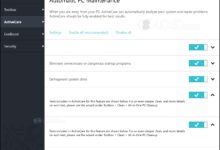
Most home users aren’t tech experts. They want their computers to work—fast and reliably. System mechanic tools offer guided modes, automatic scheduling, and one-click optimization that make maintenance effortless.
- Automatic weekly cleanups
- Simple dashboard with performance scores
- Alerts for critical issues (e.g., low disk space)
This hands-off approach ensures even non-technical users can maintain a healthy system.
For Gamers: Maximizing FPS and Reducing Lag
Gamers demand peak performance. A system mechanic can switch to “Game Mode,” which temporarily disables non-essential services, frees up RAM, and prioritizes GPU and CPU resources for the game.
Benefits include:
- Higher frame rates (FPS)
- Reduced input lag
- Faster load times
Some tools even integrate with game launchers like Steam or Epic to optimize settings automatically when a game starts.
For Businesses: Scalability and Centralized Control
In enterprise environments, managing hundreds of PCs manually isn’t feasible. Enterprise-grade system mechanic solutions offer centralized dashboards, remote monitoring, and policy-based automation.
Remote System Maintenance
IT administrators can deploy system mechanic tools across the network to perform scheduled cleanups, updates, and diagnostics without touching each machine.
- Push updates and optimizations remotely
- Generate performance reports for compliance
- Set custom rules for different departments (e.g., finance vs. design)
This reduces downtime and ensures consistent performance across the organization.
Compliance and Audit Readiness
Many industries require strict data handling and system maintenance protocols. A system mechanic logs all actions taken, providing an audit trail for compliance with standards like GDPR, HIPAA, or ISO 27001.
Logs include:
- Files deleted or modified
- Security scans performed
- User activity (if enabled)
This transparency builds trust and simplifies regulatory reporting.
Choosing the Right System Mechanic Software
With so many options on the market, selecting the best system mechanic tool can be overwhelming. Here’s how to make an informed choice.
Key Features to Look For
Not all system mechanic tools are created equal. Prioritize solutions that offer:
- Real-time optimization (not just scheduled tasks)
- Deep registry cleaning with backup options
- Security scanning for PUPs and bloatware
- Customizable automation rules
- Cross-platform support (Windows, macOS, etc.)
Tools like iolo System Mechanic, CCleaner, and Ashampoo WinOptimizer are often compared, but only a few deliver on all fronts.
Paid vs. Free Versions: What’s the Difference?
Free versions of system mechanic tools often lack advanced features like real-time monitoring, deep security scans, or technical support. Paid versions typically offer:
- 24/7 customer support
- Priority updates and patches
- Cloud-based optimization profiles
- Advanced defragmentation algorithms
While free tools can help with basic cleanup, serious users should consider investing in a premium solution for comprehensive protection.
Common Myths and Misconceptions About System Mechanics
Despite their benefits, system mechanic tools are often misunderstood. Let’s debunk some common myths.
Myth 1: System Mechanic Tools Can Damage Your PC
This fear stems from early registry cleaners that deleted critical entries without backups. Modern system mechanic tools are far more sophisticated. They create restore points before making changes and use intelligent scanning to avoid harming essential system files.
Reputable tools like iolo System Mechanic even include a “SafeMode” feature that reverses changes if instability occurs.
Myth 2: Windows Doesn’t Need Third-Party Optimization
While Windows has built-in tools like Disk Cleanup and Defragmenter, they’re limited in scope. A dedicated system mechanic goes deeper, offering proactive optimization, real-time monitoring, and advanced security features that Windows doesn’t provide out of the box.
As ZDNet points out, third-party tools often outperform native utilities in real-world benchmarks.
Myth 3: Only Old PCs Need a System Mechanic
Even brand-new computers can suffer from bloatware, inefficient settings, or background apps. A system mechanic isn’t just for aging machines—it’s for maintaining peak performance from day one.
New PCs with fast SSDs still benefit from memory management, startup optimization, and privacy protection.
Future Trends in System Mechanic Technology
The world of system maintenance is evolving rapidly. AI, machine learning, and cloud integration are shaping the next generation of system mechanic tools.
AI-Powered Optimization
Future system mechanic tools will use artificial intelligence to learn your usage patterns and optimize accordingly. For example, if you edit videos every Tuesday, the tool will pre-allocate resources and disable distractions before you even start.
- Predictive cleanup based on usage trends
- Self-learning performance profiles
- Automated troubleshooting with AI diagnostics
Cloud-Based System Health Monitoring
Imagine getting a notification on your phone that your home PC needs a cleanup—even if you’re miles away. Cloud-connected system mechanic tools will enable remote health checks, automatic updates, and cross-device optimization.
This is especially useful for managing multiple devices or supporting family members who aren’t tech-savvy.
“The future of system mechanics isn’t just about fixing problems—it’s about anticipating them.” — FutureTech Insights, 2024
As operating systems become more complex, the role of the system mechanic will only grow in importance.
What is a system mechanic?
A system mechanic is a tool or professional that maintains, optimizes, and repairs computer systems to ensure peak performance, security, and reliability.
Can a system mechanic improve my internet speed?
While it can’t increase your bandwidth, a system mechanic can optimize network settings, clear browser cache, and disable bandwidth-hogging background apps, making your internet feel faster.
Is it safe to use system mechanic software?
Yes, if you use reputable tools. Always choose software with restore points, positive reviews, and transparent scanning processes to avoid unintended damage.
Do I need a system mechanic if I have antivirus software?
Yes. Antivirus software protects against malware, but a system mechanic handles performance, cleanup, and optimization—complementary but distinct functions.
How often should I run a system mechanic scan?
For most users, a weekly automated scan is sufficient. Heavy users or those in business environments may benefit from daily real-time monitoring.
Keeping your computer in top shape isn’t about quick fixes—it’s about consistent, intelligent maintenance. A system mechanic, whether human or software, plays a vital role in ensuring your device runs smoothly, securely, and efficiently. From boosting speed to enhancing privacy, the benefits are clear. As technology evolves, so too will the tools we rely on to keep our digital lives running flawlessly. Investing in a reliable system mechanic strategy today prepares you for a faster, safer tomorrow.
Further Reading: