Imagine your computer freezing, files vanishing, or your operating system refusing to boot. Panic sets in—but don’t hit the panic button yet. System recovery is your digital lifeline, a powerful set of tools and strategies designed to bring your machine back from the brink. Whether it’s a minor glitch or a full-blown crash, understanding system recovery can save your data, time, and sanity.



What Is System Recovery and Why It Matters

System recovery refers to the process of restoring a computer’s operating system, files, and settings to a functional state after a failure, corruption, or crash. It’s not just about fixing errors—it’s about preserving data integrity, minimizing downtime, and ensuring continuity in both personal and professional environments.
Defining System Recovery in Modern Computing
In today’s digital landscape, system recovery goes beyond simply rebooting a frozen PC. It encompasses a range of techniques—from booting into safe mode to restoring from full disk images. The goal is always the same: return the system to a stable, usable condition with minimal data loss.
- It can involve software-based solutions like Windows System Restore or macOS Time Machine.
- Hardware-level recovery includes booting from external drives or using recovery partitions.
- Cloud-based recovery services are increasingly common, especially in enterprise environments.
“System recovery isn’t a luxury—it’s a necessity in an era where data is more valuable than ever.” — TechRadar, 2023
Common Causes of System Failure
Understanding what triggers the need for system recovery helps prevent future issues. Common causes include:
- Malware and viruses: These can corrupt system files and render an OS unusable.
- Failed updates: An interrupted or buggy OS update can leave your system in an unstable state.
- Hardware malfunctions: Failing hard drives, RAM issues, or power surges can trigger crashes.
- User error: Accidental deletion of critical files or misconfiguration of system settings.
- Power outages: Sudden shutdowns can corrupt file systems and boot records.
According to a Microsoft security report, over 30% of system crashes in 2023 were linked to failed updates or malware interference.
Types of System Recovery Methods
Not all system recovery approaches are the same. The method you choose depends on the severity of the issue, the operating system, and the availability of backups. Let’s explore the most effective types.
System Restore (Windows)
One of the most accessible tools for Windows users is System Restore. This feature creates restore points—snapshots of system files, registry settings, and installed programs—at regular intervals or before major changes like software installations.
- It does not affect personal files like documents or photos.
- Can be accessed via Safe Mode or the Advanced Startup Options.
- Limited to system-level changes, so it won’t recover deleted user files.
To use System Restore, go to Settings > System > Recovery > Open System Restore. Microsoft provides detailed guidance on this process at their official support page.
Time Machine (macOS)
Apple’s Time Machine is a robust system recovery solution that backs up your entire system, including applications, system files, music, photos, and documents. It works seamlessly with external drives or network-attached storage (NAS).
- Backups are incremental, meaning only changes since the last backup are saved.
- Can restore the entire system or individual files/folders.
- Booting from a Time Machine backup is possible via macOS Recovery Mode (Command + R).
Apple recommends using Time Machine daily for optimal protection. More info is available at Apple’s Time Machine guide.
Linux Recovery Options
Linux offers a variety of system recovery tools depending on the distribution. Common methods include:
- Using a live USB to boot into a temporary environment.
- Chrooting into the installed system to repair GRUB or fix broken packages.
- Leveraging built-in tools like
fsckto check and repair file systems. - Distribution-specific tools like Ubuntu’s Boot-Repair or Fedora’s Rescue Mode.
For advanced users, The Linux Foundation offers free courses on system administration and recovery techniques.
Creating a System Recovery Plan
Waiting for a crash before thinking about recovery is like waiting for a fire to buy a fire extinguisher. A proactive system recovery plan is essential for minimizing damage and downtime.
Assessing Your Recovery Needs
Before building a plan, evaluate your usage patterns:
- Are you a casual user or running a business-critical server?
- How frequently do you install new software or updates?
- What’s the value of the data on your system?
For example, a graphic designer with years of project files needs a more robust recovery strategy than someone who only browses the web.
Choosing the Right Backup Strategy
There are three main backup strategies used in system recovery planning:
- Full Backup: Copies all data every time. Most secure but storage-intensive.
- Incremental Backup: Only backs up changes since the last backup. Efficient but slower to restore.
- Differential Backup: Backs up all changes since the last full backup. Balances speed and storage.
Experts recommend the 3-2-1 rule: keep 3 copies of your data, on 2 different media, with 1 copy offsite (e.g., cloud storage).
Scheduling Regular Recovery Points
Automate your recovery process:
- Set Windows to create restore points weekly.
- Enable Time Machine to back up hourly (if connected).
- Use cron jobs in Linux to automate
rsyncortarbackups.
Consistency is key. A study by Backblaze found that users who automated backups were 78% less likely to suffer permanent data loss.
Using Built-in System Recovery Tools
Most operating systems come with built-in recovery tools that are often underutilized. Mastering these can save you from costly third-party software or technician fees.
Windows Recovery Environment (WinRE)
WinRE is a powerful troubleshooting environment that loads before Windows starts. Access it by:
- Restarting while holding Shift.
- Using a bootable USB drive.
- Triggering it after multiple failed boot attempts.
Inside WinRE, you can:
- Run System Restore.
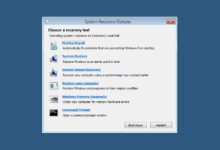
- Use Startup Repair to fix boot issues.
- Open Command Prompt for advanced fixes (e.g.,
bootrec /fixmbr). - Reinstall Windows while keeping files.
Microsoft’s documentation on WinRE is available at this link.
macOS Recovery Mode
Press Command + R during startup to enter macOS Recovery Mode. From here, you can:
- Restore from a Time Machine backup.
- Reinstall macOS without losing user data.
- Use Disk Utility to repair or erase drives.
- Get online help from Apple Support.
This mode is especially useful if your startup disk is encrypted with FileVault.
Linux Live Environments and Rescue Disks
A live Linux USB or CD allows you to run a full OS without installing anything. This is invaluable for system recovery because:
- You can access files even if the main OS won’t boot.
- Tools like GParted, TestDisk, and PhotoRec are available for repair and recovery.
- You can reinstall the bootloader (GRUB) or fix configuration files.
Distributions like Ubuntu and Fedora offer easy-to-create live media via tools like Rufus or Etcher.
Third-Party System Recovery Software
While built-in tools are effective, third-party software often provides more features, better interfaces, and enhanced recovery capabilities.
Top Paid Recovery Tools
These tools are trusted by professionals and enterprises:
- Acronis True Image: Offers full disk imaging, cloud backup, and ransomware protection.
- Paragon Backup & Recovery: Supports Windows, Linux, and virtual environments.
- Macrium Reflect: Popular for Windows imaging with scripting and automation.
Acronis, for instance, integrates AI-based anomaly detection to prevent data loss before it happens. Learn more at acronis.com.
Best Free System Recovery Tools
Not all powerful tools come with a price tag:
- Clonezilla: Open-source disk cloning and imaging tool, ideal for bulk recovery.
- TestDisk: Recovers lost partitions and makes non-booting disks bootable again.
- PhotoRec: Companion to TestDisk, recovers hundreds of file types from damaged drives.
- SystemRescue: A Linux-based rescue disk with a full suite of repair tools.
These tools are widely used in IT support and can be downloaded from cgsecurity.org.
How to Choose the Right Software
Consider these factors:
- Compatibility: Does it support your OS and hardware?
- Features: Does it offer imaging, file recovery, or boot repair?
- Usability: Is the interface intuitive for non-experts?
- Support: Is there documentation or customer service?
- Cost: Does the free version meet your needs?
Always download software from official sources to avoid malware.
Cloud-Based System Recovery Solutions
The cloud has revolutionized system recovery by enabling offsite, automated, and scalable backup solutions.
Benefits of Cloud Recovery
Cloud-based system recovery offers several advantages:
- Automatic backups: No manual intervention required.
- Disaster resilience: Data survives local hardware failure.
- Remote access: Restore files from anywhere with internet.
- Versioning: Keep multiple versions of files for rollback.
Services like Google Drive, OneDrive, and Dropbox sync files in real-time, but for full system recovery, dedicated solutions are better.
Leading Cloud Recovery Platforms
These platforms specialize in full system recovery:
- Backblaze: Offers continuous backup for Windows and Mac, including system image recovery.
- Carbonite: Provides automatic backup and bare-metal restore options.
- iDrive: Combines cloud and local backup with ransomware detection.
Backblaze, for example, stores your data across multiple data centers for redundancy. More at backblaze.com.
Security and Privacy Considerations
When using cloud recovery, security is paramount:
- Ensure end-to-end encryption (E2EE) for data in transit and at rest.
- Use strong passwords and two-factor authentication (2FA).
- Check the provider’s data retention and compliance policies (e.g., GDPR, HIPAA).
- Avoid storing sensitive data without local encryption.
A 2023 report by the European Union Agency for Cybersecurity (ENISA) emphasized that unencrypted cloud backups are a top target for ransomware attacks.
Disaster Recovery for Businesses
For organizations, system recovery isn’t just about one machine—it’s about ensuring business continuity. A single outage can cost thousands per minute.
Developing a Business Continuity Plan
A comprehensive plan includes:
- Risk assessment and impact analysis.
- Defined recovery time objectives (RTO) and recovery point objectives (RPO).
- Roles and responsibilities during a crisis.
- Communication protocols with stakeholders.
The National Institute of Standards and Technology (NIST) provides a detailed framework at NIST SP 800-34.
Server and Network Recovery Strategies
Enterprises use advanced techniques:
- Virtual machine snapshots for quick rollback.
- Redundant servers in active-passive or active-active configurations.
- Network failover systems to maintain connectivity.
- Automated monitoring tools that trigger recovery scripts.
Tools like Veeam and VMware Site Recovery Manager are industry standards.
Testing Your Recovery Plan
A plan is only as good as its last test. Regular drills are essential:
- Simulate ransomware attacks or hardware failures.
- Measure actual RTO and RPO against targets.
- Document lessons learned and update procedures.
According to Gartner, 80% of organizations that fail to test their recovery plans experience extended downtime during real incidents.
Preventing the Need for System Recovery
The best recovery is the one you never have to perform. Proactive maintenance reduces the likelihood of system failure.
Regular System Maintenance Tips
Keep your system healthy with these habits:
- Update your OS and software regularly.
- Run disk cleanup and defragmentation (for HDDs).
- Scan for malware weekly using trusted antivirus software.
- Monitor disk health using tools like CrystalDiskInfo (Windows) or SMART status (macOS/Linux).
- Uninstall unused programs to reduce system clutter.
Securing Your System Against Threats
Security is a cornerstone of prevention:
- Use a firewall and enable automatic updates.
- Avoid suspicious downloads and phishing emails.
- Enable UEFI Secure Boot to prevent unauthorized OS loading.
- Use strong, unique passwords and a password manager.
- Back up critical data daily.
The Cybersecurity and Infrastructure Security Agency (CISA) offers free resources for improving system security.
Creating a Recovery Boot Drive
Always have a recovery drive ready:
- Windows: Create a recovery drive via Settings > System > Recovery > Create a recovery drive.
- macOS: Use the macOS Installer to create a bootable USB.
- Linux: Use tools like Rufus or BalenaEtcher to flash ISOs.
Store it in a safe place and test it annually.
What is system recovery?
System recovery is the process of restoring a computer’s operating system, settings, and files to a functional state after a crash, corruption, or failure. It can involve tools like System Restore, Time Machine, or third-party software to recover data and repair the OS.
How do I perform system recovery on Windows 10/11?
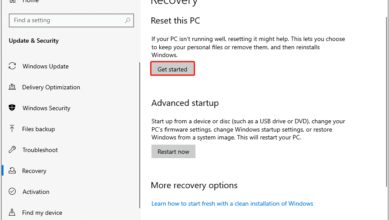
You can use the built-in Windows Recovery Environment (WinRE) by going to Settings > Recovery > Advanced Startup. From there, you can access System Restore, Startup Repair, or reinstall Windows. Alternatively, use a recovery drive or installation media.
Does system recovery delete my personal files?
It depends on the method. System Restore and Time Machine typically preserve personal files. However, a full OS reinstall may require formatting the drive, which deletes all data. Always back up important files before recovery.
Can I recover a system after a ransomware attack?
Yes, if you have a clean backup. Disconnect the infected machine immediately, then restore from a backup created before the attack. Use antivirus tools to scan and clean the system before reconnecting to the network.
What is the best free system recovery software?
Clonezilla, TestDisk, and SystemRescue are among the best free tools. Clonezilla is excellent for disk imaging, TestDisk recovers lost partitions, and SystemRescue provides a full Linux-based recovery environment.
System recovery is not just a technical procedure—it’s a critical skill for anyone who relies on computers. From simple file restoration to full disaster recovery, the tools and strategies discussed here empower you to respond confidently to system failures. Whether you’re a home user or an IT professional, understanding system recovery can mean the difference between a minor setback and a catastrophic loss. By combining proactive maintenance, reliable backups, and the right recovery tools, you can ensure your digital life remains resilient in the face of any challenge.
Further Reading: