Ever wondered who keeps the digital heartbeat of a company strong? Meet the systems manager — the unsung hero ensuring everything from servers to software runs like clockwork. This role isn’t just technical; it’s strategic, dynamic, and absolutely vital in today’s tech-driven world.




What Is a Systems Manager?

A systems manager plays a pivotal role in maintaining, optimizing, and securing an organization’s IT infrastructure. This professional ensures that hardware, software, networks, and data systems function seamlessly to support business operations. The role blends technical expertise with leadership, making it one of the most impactful positions in modern IT departments.
Core Definition and Role
At its essence, a systems manager oversees the planning, implementation, and maintenance of computer systems within an organization. This includes managing operating systems, servers, virtual environments, and cloud platforms. Their primary goal is to ensure system reliability, performance, and security.
According to the U.S. Bureau of Labor Statistics, IT managers, including systems managers, are projected to see a 10% growth in employment from 2021 to 2031 — much faster than the average for all occupations.
- Responsible for system uptime and performance
- Coordinates with IT teams and other departments
- Implements disaster recovery and backup strategies
Evolution of the Role
The role of a systems manager has evolved significantly over the past two decades. Originally focused on maintaining on-premise servers and local networks, today’s systems manager must navigate cloud computing, hybrid environments, cybersecurity threats, and automation tools.
With the rise of DevOps and agile methodologies, systems managers are no longer just caretakers — they’re enablers of innovation. They work closely with development teams to ensure infrastructure supports rapid deployment and continuous integration.
“The modern systems manager is a bridge between technology and business strategy.” — TechTarget, 2023
Key Responsibilities of a Systems Manager
The day-to-day duties of a systems manager are diverse and demanding. They must balance technical troubleshooting with long-term planning and team leadership. Below are the core responsibilities that define the role.
System Maintenance and Optimization
One of the primary duties of a systems manager is ensuring that all IT systems operate efficiently. This involves regular updates, patch management, performance monitoring, and resource allocation.
They use tools like Nagios, Zabbix, or Datadog to monitor system health in real time. When performance dips, they analyze logs, identify bottlenecks, and implement fixes — often before users even notice an issue.
- Schedule routine maintenance windows
- Optimize server configurations for speed and reliability
- Manage storage capacity and data flow
Security and Compliance Management
With cyber threats on the rise, systems managers are on the front lines of defense. They implement firewalls, intrusion detection systems, encryption protocols, and access controls to protect sensitive data.
They also ensure compliance with regulations such as GDPR, HIPAA, or PCI-DSS, depending on the industry. Regular audits, vulnerability assessments, and employee training are part of their security strategy.
For more on cybersecurity best practices, visit CISA’s Known Exploited Vulnerabilities Catalog.
“A single unpatched system can compromise an entire network.” — CISA
Team Leadership and Project Coordination
Systems managers often lead teams of system administrators, network engineers, and support staff. They assign tasks, mentor junior staff, and ensure projects stay on schedule and within budget.
They also coordinate with other departments — such as finance, HR, and operations — to align IT initiatives with business goals. For example, when a company migrates to the cloud, the systems manager leads the technical planning and execution.
- Conduct team meetings and performance reviews
- Manage vendor relationships and service level agreements (SLAs)
- Oversee IT project timelines and deliverables
Essential Skills for a Systems Manager
Becoming a successful systems manager requires a blend of technical, analytical, and interpersonal skills. Let’s break down the most critical competencies needed in this role.
Technical Proficiency
A systems manager must have deep knowledge of operating systems (Windows, Linux, Unix), virtualization (VMware, Hyper-V), cloud platforms (AWS, Azure, Google Cloud), and networking (TCP/IP, DNS, firewalls).
They should be comfortable scripting in languages like Python, PowerShell, or Bash to automate repetitive tasks. Familiarity with containerization tools like Docker and orchestration platforms like Kubernetes is increasingly important.
- Expertise in server administration and configuration
- Hands-on experience with cloud infrastructure
- Ability to troubleshoot complex system issues
Problem-Solving and Analytical Thinking
When systems fail, the systems manager is the first responder. They must quickly diagnose problems, assess impact, and implement solutions under pressure.
They use root cause analysis (RCA) to prevent recurring issues and employ data-driven decision-making to optimize performance. Tools like Splunk or ELK Stack help them analyze logs and detect anomalies.
“The best systems managers don’t just fix problems — they anticipate them.” — Network World
Communication and Leadership
Despite being a technical role, communication is crucial. Systems managers must explain complex issues to non-technical stakeholders, write clear documentation, and lead teams effectively.
They often present IT strategies to executives, justify budgets, and train staff on new systems. Emotional intelligence and conflict resolution skills are vital when managing diverse teams.
- Translate technical jargon into business terms
- Lead change management initiatives
- Foster a culture of collaboration and accountability
Systems Manager vs. IT Manager: What’s the Difference?
While the terms are sometimes used interchangeably, there are key distinctions between a systems manager and an IT manager. Understanding these differences helps clarify career paths and organizational roles.
Scope of Responsibility
A systems manager typically focuses on the technical infrastructure — servers, networks, operating systems, and data centers. Their work is deeply technical and hands-on.
In contrast, an IT manager has a broader scope, overseeing the entire IT department, including help desk, software development, and strategic planning. They may not be involved in day-to-day system administration.
- Systems manager: Infrastructure-focused
- IT manager: Department-wide leadership
- Both roles require technical knowledge, but IT managers emphasize strategy
Career Path and Reporting Structure
Systems managers often report to IT managers or CIOs. They may start as system administrators and progress to senior technical roles before moving into management.
IT managers, on the other hand, may come from various IT backgrounds and are often evaluated on budget management, project delivery, and alignment with business objectives.
“A systems manager builds the engine; an IT manager drives the car.” — CIO Magazine
How to Become a Systems Manager
Becoming a systems manager is a journey that combines education, certifications, and real-world experience. Here’s a step-by-step guide to entering and excelling in this career.
Educational Requirements
Most systems managers hold a bachelor’s degree in computer science, information technology, or a related field. Coursework typically includes networking, database management, operating systems, and cybersecurity.
Some employers prefer candidates with a master’s degree, especially for senior roles. Programs like an MBA with a tech focus or a Master of Science in Information Systems can provide a competitive edge.
- Common degrees: BS in Computer Science, IT, or Engineering
- Relevant coursework: Network security, cloud computing, systems architecture
- Advanced degrees can accelerate career growth
Industry Certifications
Certifications validate expertise and are highly valued in the IT industry. Key certifications for systems managers include:
- CompTIA Server+: Covers server hardware, software, and disaster recovery
- Microsoft Certified: Azure Administrator Associate: Focuses on cloud infrastructure management
- Red Hat Certified Engineer (RHCE): Validates Linux system administration skills
- Certified Information Systems Security Professional (CISSP): For those emphasizing security
For a comprehensive list of certifications, visit CompTIA’s official site.
Gaining Practical Experience
Hands-on experience is crucial. Many systems managers start as help desk technicians, system administrators, or network support specialists.
Internships, freelance projects, and lab environments (like setting up a home server or using virtual machines) help build practical skills. Contributing to open-source projects or participating in IT communities like Reddit’s r/sysadmin can also provide valuable exposure.
“The best learning happens when the server goes down at 2 AM.” — Veteran Systems Manager
Tools and Technologies Used by Systems Managers
Modern systems managers rely on a wide array of tools to monitor, manage, and secure IT environments. Mastery of these tools is essential for efficiency and effectiveness.
Monitoring and Management Platforms
Tools like Nagios, Prometheus, and Microsoft System Center allow systems managers to monitor server health, track performance metrics, and receive alerts for anomalies.
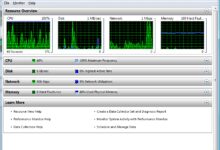
These platforms provide dashboards that visualize CPU usage, memory consumption, disk I/O, and network traffic, enabling proactive maintenance.
- Nagios: Open-source monitoring for servers and networks
- Datadog: Cloud-based observability platform
- Zabbix: Enterprise-grade monitoring solution
Automation and Configuration Tools
To reduce manual work and ensure consistency, systems managers use automation tools like Ansible, Puppet, and Chef.
These tools allow them to define infrastructure as code (IaC), automate server provisioning, and enforce configuration policies across hundreds of machines.
For example, Ansible playbooks can deploy a new web server in minutes, complete with security settings and software packages.
“Automation isn’t the future — it’s the present.” — DevOps.com
Cloud and Virtualization Technologies
With most organizations adopting cloud solutions, systems managers must be proficient in platforms like AWS, Azure, and Google Cloud Platform.
They manage virtual machines, storage buckets, load balancers, and serverless functions. Tools like VMware vSphere and Microsoft Hyper-V are used for on-premise virtualization.
- AWS EC2: Scalable compute capacity
- Azure Virtual Machines: Integrated with Microsoft ecosystem
- Google Compute Engine: High-performance VMs
Challenges Faced by Systems Managers
Despite the rewards, the role of a systems manager comes with significant challenges. From security threats to rapid technological change, they must stay ahead of the curve.
Cybersecurity Threats
Ransomware, phishing, and zero-day exploits are constant dangers. Systems managers must implement multi-layered security, conduct regular penetration testing, and ensure all systems are patched promptly.
They also need to stay informed about emerging threats through sources like the US-CERT alerts.
- Implement endpoint protection and EDR solutions
- Enforce multi-factor authentication (MFA)
- Conduct regular security awareness training
Managing Legacy Systems
Many organizations still rely on outdated software and hardware that are difficult to maintain and insecure. Systems managers must balance keeping these systems running with planning for modernization.
This often involves creating workarounds, applying custom patches, or isolating legacy systems from the main network.
“Legacy systems are like old cars — they keep running, but every fix is a gamble.” — IT Pro Today
Keeping Up with Technological Change
The pace of innovation in IT is relentless. New tools, frameworks, and best practices emerge constantly. Systems managers must commit to lifelong learning through courses, webinars, and conferences.
Staying active in professional communities and attending events like Interop or Microsoft Ignite helps them remain current.
- Subscribe to tech newsletters (e.g., The Register, Ars Technica)
- Participate in online forums and local user groups
- Experiment with new technologies in sandbox environments
Future Trends for Systems Managers
The role of the systems manager is not static. Emerging technologies and business demands are reshaping what the job entails. Here are key trends shaping the future of this profession.
Rise of AI and Machine Learning in System Management
Artificial intelligence is transforming IT operations. AI-powered tools can predict system failures, automate root cause analysis, and optimize resource allocation.
For example, AIOps (Artificial Intelligence for IT Operations) platforms like Moogsoft and BigPanda analyze vast amounts of log data to detect anomalies before they cause outages.
- AI-driven alert correlation reduces noise
- Predictive maintenance minimizes downtime
- Self-healing systems automatically resolve common issues
Increased Adoption of Hybrid and Multi-Cloud Environments
Organizations are moving away from single-cloud or on-premise models toward hybrid and multi-cloud strategies. This offers flexibility but increases complexity.
Systems managers must master cross-platform management, ensure data consistency, and maintain security across different cloud providers.
Tools like Terraform and Kubernetes are essential for managing infrastructure across environments.
“The future isn’t cloud vs. on-premise — it’s cloud and on-premise working together.” — Gartner
Shift Toward DevOps and SRE Models
Traditional silos between development and operations are breaking down. Systems managers are increasingly adopting DevOps practices, where collaboration, automation, and continuous delivery are key.
Site Reliability Engineering (SRE), pioneered by Google, is another growing model. SREs apply software engineering principles to system operations, focusing on scalability and reliability.
- Implement CI/CD pipelines for faster deployments
- Use version control for infrastructure code
- Set SLOs (Service Level Objectives) to measure system reliability
What does a systems manager do?
A systems manager oversees the design, implementation, and maintenance of an organization’s IT infrastructure. This includes managing servers, networks, operating systems, and security protocols to ensure optimal performance and reliability.
What skills are needed to be a successful systems manager?
Key skills include technical expertise in operating systems and cloud platforms, problem-solving abilities, leadership, communication, and familiarity with automation and monitoring tools.
How is a systems manager different from a network administrator?
A network administrator focuses primarily on network infrastructure (routers, switches, firewalls), while a systems manager has a broader role that includes servers, operating systems, storage, and overall IT system integration.
What certifications are valuable for systems managers?
Valuable certifications include CompTIA Server+, Microsoft Azure Administrator, Red Hat RHCE, CISSP, and AWS Certified Solutions Architect.
Is the role of systems manager becoming obsolete due to cloud automation?
No. While automation reduces manual tasks, the need for strategic oversight, security management, and complex troubleshooting ensures that systems managers remain essential — though their roles are evolving toward higher-level planning and integration.
In conclusion, the systems manager is a cornerstone of modern IT operations. From ensuring system uptime to leading digital transformation, this role demands a unique mix of technical mastery and leadership. As technology evolves, so too will the responsibilities of the systems manager — but their importance in keeping organizations running smoothly will only grow. Whether you’re aspiring to become one or looking to understand their value, recognizing the depth and breadth of this role is key to appreciating the backbone of today’s digital enterprises.
Further Reading: